
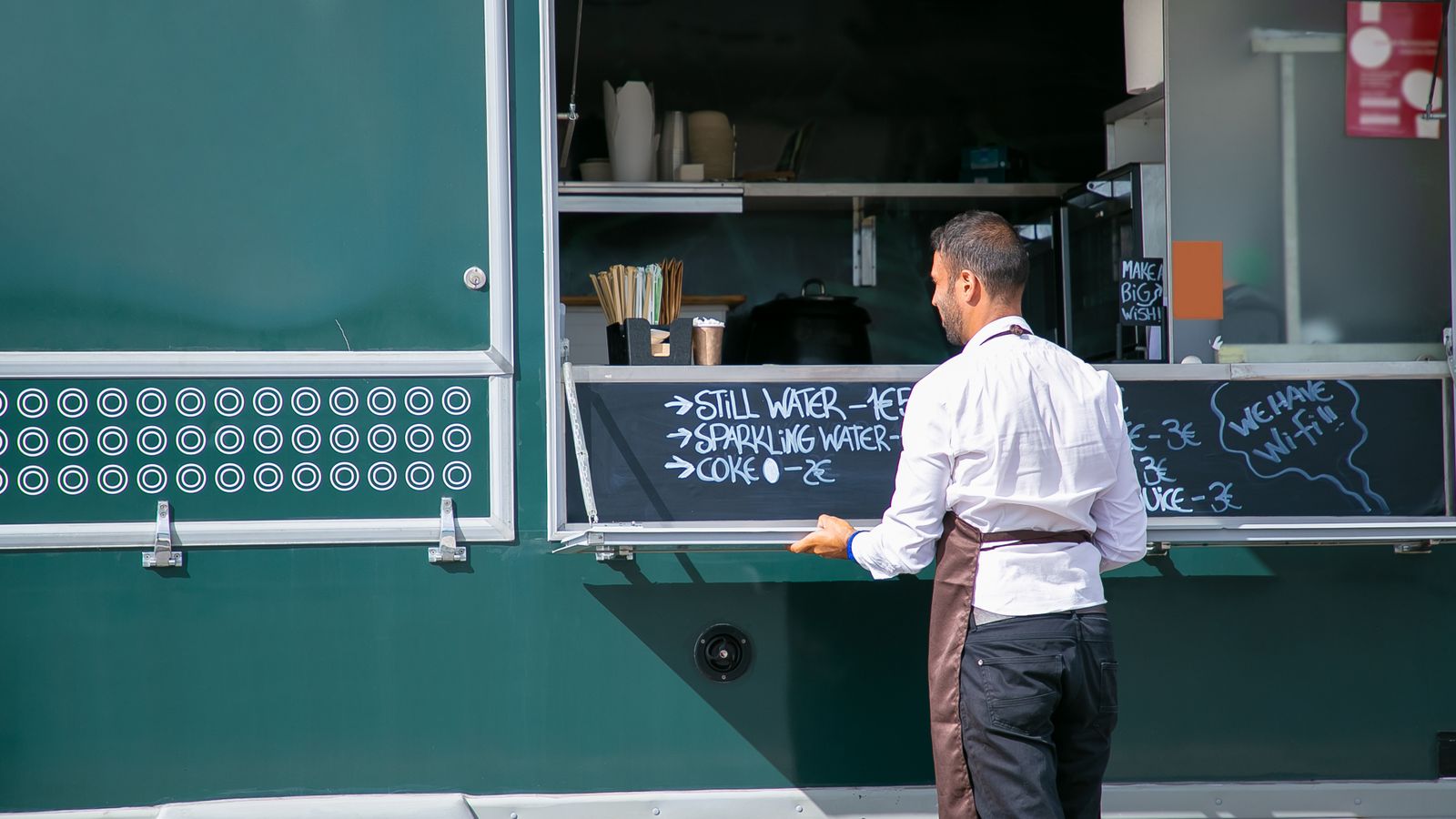
Starting a food truck or mobile food business? Review our National Programme verification support or contact AFVA for free initial guidance.
Food trucks, trailers, coffee carts and market-stall vendors are food businesses under the Food Act 2014, and New Zealand food safety rules apply to them the same way they apply to a fixed café or restaurant. Before you can trade, you need to register with the right authority and operate under a written Food Control Plan or a simpler National Programme, depending on what you sell.
This guide is for anyone planning a mobile food business in New Zealand: a food truck, trailer, cart, van or regular market stall. It explains how to work out which food safety pathway applies, what registration involves, and where mobile operators most often get tripped up.
Quick answer: Most mobile food businesses selling lower-risk food, such as coffee, ice cream, packaged snacks or reheated food, can usually operate under a National Programme (commonly NP1 or NP2). Trucks that prepare or hold higher-risk food, such as raw meat, seafood or dairy-based dishes, more often need a Food Control Plan. Mobile operators generally register with their local council, must arrange a recognised verifier before registering, and need to check whether trading on public land needs a separate permit on top of food registration.
Food Control Plan or National Programme?
New Zealand's Food Act 2014 uses a risk-based system. Lower and medium-risk food businesses operate under a National Programme (NP1, NP2 or NP3), which does not require a written plan but does require good food safety practices, records, registration and verification. Businesses making or selling higher-risk food operate under a Food Control Plan (FCP), a written document setting out how food safety hazards are managed. Our Food Control Plan vs National Programme guide covers the full comparison; this section focuses on what it means for a mobile operator.
For mobile businesses, the deciding factor is usually what you actually prepare on board, not the fact that the business is mobile. A coffee cart, ice cream van or truck selling only packaged or reheated food commonly sits under a National Programme. A truck that cooks raw meat, seafood or dairy-based dishes to order, or holds high-risk food at temperature for service, more often needs a Food Control Plan because of the additional hazards involved. These are common patterns, not a fixed rule for every business.
Because the right pathway depends on your specific menu, preparation methods and volumes, use MPI's My Food Rules tool to identify which plan or programme applies to your exact activities before you commit to equipment, a menu or a launch date.
Typical mobile food business examples
These are common examples, not an exhaustive classification. Confirm your own pathway using the My Food Rules tool or a recognised verifier before you register.
Registering your mobile food business
Once you know whether a Food Control Plan or a National Programme fits your food activities, registration follows a similar general sequence for most mobile operators:
- Confirm your pathway. Use the My Food Rules tool or speak with a verifier to check whether a National Programme or a Food Control Plan applies to your specific menu and preparation methods.
- Arrange a verifier before you apply. National Programme and custom Food Control Plan registrations require you to contact a recognised verifier first and include their confirmation with your application.
- Register with the correct authority. MPI guidance confirms that single-location and mobile operations under a National Programme or a template Food Control Plan register with their local council; multi-location businesses or those needing a custom Food Control Plan may register with MPI instead.
- Check for a separate trading permit. Food registration and permission to trade on public land, in a park or at a market are usually two different approvals. Some councils issue these under different names, such as a mobile trading licence or a trading-in-public-places permit.
- Renew on schedule. National Programme registrations are typically renewed periodically (commonly every two years); check your confirmation letter for your specific renewal date.
Requirements differ between councils. For example, Auckland Council manages food registration and separate approval to trade from parks, while other councils, such as Waikato District Council, require both a food registration application and a distinct trading-in-public-places licence. Always confirm the exact process with the council for the area where you plan to trade, rather than assuming one council's process applies everywhere.
Practical note: If you plan to trade in more than one council area, such as travelling between regional markets or events, check registration and permit requirements for each area separately. A food registration in one district does not automatically cover trading approval in another.
What a verifier checks before you trade
Verification is a check that your business is following good food safety practices, keeping the records your plan or programme requires, and managing risks such as temperature control, cross-contamination and allergen information. For most National Programme and template Food Control Plan businesses, a recognised verifier (which may be the council or an independent verification agency) needs to confirm your business before registration, and then carries out a compliance check after you start trading.
Timeframes for that first post-opening check vary by registration authority. Auckland Council, for example, states that food businesses are checked by a recognised verifier within six weeks of opening; other councils may set different timeframes, so confirm the expected timing with your own verifier or council rather than assuming a fixed nationwide figure.
Ongoing verification frequency then depends on your risk classification and your track record of compliance: businesses with a consistent history of meeting requirements are generally verified less often than those with outstanding corrective actions.
Practical checklist before you open
- Confirm your exact menu, preparation methods and food risk level using the My Food Rules tool.
- Decide whether a National Programme or a Food Control Plan fits, and select a template, industry or custom plan if one is needed.
- Contact a recognised verifier early; do not leave this until after you submit your registration application.
- Check your truck, trailer or cart layout, water supply, waste handling and equipment against the food safety requirements for your chosen pathway.
- Prepare your core records: cleaning schedules, temperature checks, supplier and traceability information, and allergen details for each dish.
- Contact each council area you plan to trade in about food registration and any separate trading-on-public-land or market permit.
- Register with the correct authority (usually your local council for a mobile business) once your verifier confirmation is in hand.
- Diarise your renewal date and the likely timing of your first post-opening verification visit.
Common problems for new mobile operators
A few issues come up repeatedly for people starting a food truck or mobile stall in New Zealand:
- Treating food registration and a trading permit as the same thing. Being registered as a food business does not automatically give you permission to sell in a specific park, street or market; that is usually a separate council approval.
- Underestimating the risk tier of the menu. Adding an item that involves cooking raw meat or holding a dairy-based sauce at temperature can shift a business from a National Programme into needing a Food Control Plan, even if most of the menu is lower risk.
- Leaving verifier contact too late. Because a verifier confirmation is usually needed before you can register, contacting one only after applying can delay your ability to start trading.
- Assuming one council's rules apply everywhere. Registration steps, permit names and trading approvals differ between councils, so a process that worked in one district may not transfer directly to another.
How AFVA can help
AFVA supports New Zealand food businesses, including mobile operators, with identifying which food safety plan or programme applies to their activities, preparing for pre-registration verifier confirmation, and completing National Programme or Food Control Plan verification once trading. Our food business registration support service can help you work through pathway selection and document preparation before you approach a verifier or your council.
AFVA is an independent verification and consulting provider; we are not MPI, a council or an accredited laboratory, and our services are subject to recognition, scope, conflict-of-interest and independence requirements. Consulting support and recognised verification are different functions and may not both be available to the same operator for the same registration in the same circumstances.
Frequently Asked Questions About Food Truck Registration in NZ
Getting your mobile food business registered with confidence
Choosing the right pathway before you invest in a truck, trailer or menu saves time and avoids delays once you're ready to trade. Confirm whether a National Programme or a Food Control Plan fits your food activities, line up a recognised verifier early, and check both food registration and public-trading requirements with every council area you plan to operate in.
Need practical support? Contact AFVA to discuss the appropriate next step for your mobile food business.
General information only: Requirements depend on the complete food activities, products, processes, locations and sales model. Use current official guidance and confirm the requirements applying to the specific business before relying on a classification, timeframe or record list.
Need Practical Food Safety Support for Your Business?
Contact us for free initial guidance. We provide practical, plain-English food safety support for New Zealand food businesses across all service areas.
This article provides general information only and is not a substitute for professional advice specific to your situation. Contact us for guidance based on your actual food activities and requirements.