
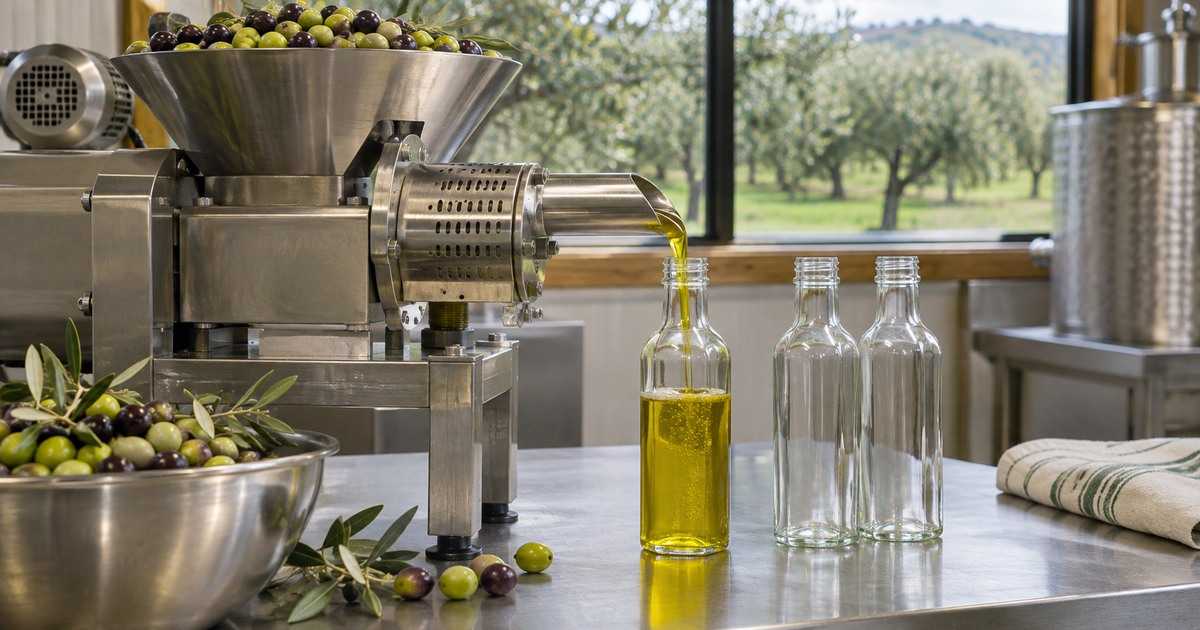
If you press olives, avocados or sunflower seeds and bottle the oil for sale, set up your batch records before your first production run. A finished bottle should lead you back to the ingredients and press runs that went into it. That link matters if you combine runs in one tank or a supplier later raises a food safety issue. MPI's National Programme 3 guidance
Does National Programme 3 apply to cold-pressed oil?
Manufacturing oils for human consumption is a National Programme 3 (NP3) activity under Schedule 2 of the Food Act 2014. MPI's NP3 scope form includes vegetable, seed, fruit and nut oils. Describe the work you actually do, including pressing, filtering, storing and bottling. If you buy finished oil in bulk and bottle it, or add an infused oil to your range, check that your registered scope covers that activity and product. Food Act 2014, Schedule 2 · MPI's NP3 scope of operations form · My Food Rules
How to register and arrange your first verification
Choose a recognised NP3 verifier before applying and ask for a confirmation letter to include with your application and scope of operations. A business based in one council area generally registers with that council. If your sites span several council areas, you can register each with its local council or register them together with MPI. MPI's NP3 registration steps · MPI's guide to where to register
A new NP3 business must be verified within six weeks of registration. The first verification takes place once you're registered and operating, so discuss your production start date with your verifier when arranging the visit. Food Regulations 2015, regulation 91 · MPI's first verification guidance
What to record from pressing to bottling
Receiving ingredients. Record the supplier, incoming lot and receipt date. Check that the raw material is suitable for food use and meets your agreed specification. Record what you do with any delivery that fails your checks.
Pressing and storage. Link the incoming lot to the press run. If you combine oil from several runs, record which runs went into the tank. Be ready to explain how you clean and maintain the press, filters and tanks and keep foreign matter out of the oil.
Bottling and dispatch. Link each finished lot code to the tank or press run. Keep dispatch records that show which business customers received each lot, so you can identify affected stock if you need to recall it. MPI's NP3 guidance on sourcing, processing and traceability
If you use the same press or bottling line for a nut oil and other oils, explain how you prevent allergen cross-contact. Keep ingredient specifications current, check the cleaning between runs and assess which allergens must be declared on each label. MPI's allergen labelling guidance
Check the bottle, label and shelf life
Use bottles and closures suitable for contact with edible oil under your intended filling and storage conditions. Check the label for an accurate food name, lot identification, supplier details and other information required for your product, such as a date mark or storage instructions. Establish shelf life for the oil in the package you'll actually sell. If you describe it as cold-pressed, keep records that support that description. MPI's retail food labelling guidance · MPI's shelf-life guidance
Arrange your NP3 verification with AFVA
Making or bottling cooking oil for sale? Tell us what you press, where you operate and how you bottle the oil. Contact Access Food Verification & Auditing Limited (AFVA) to discuss NP3 verification. Email info@foodverification.co.nz or call 0221281203.
Need Practical Food Safety Support for Your Business?
Contact us for free initial guidance. We provide practical, plain-English food safety support for New Zealand food businesses across all service areas.
This article provides general information only and is not a substitute for professional advice specific to your situation. Contact us for guidance based on your actual food activities and requirements.